
Everything to Know About Ranch Fencing Services in January
- Scott B
- Jan 4
- 4 min read
January can be a tough month on ranch fencing. Cold air, heavy snow, and frozen ground do not just take a toll on the land; they put pressure on fences that work year-round to keep livestock secure and property lines in place. This time of year, we start looking closely at fences to spot problem areas early. It is the right moment to plan repairs or upgrades before spring brings busier days. Ranch fencing services help handle weather damage, check for weak spots, and keep everything strong through winter and beyond.
Common Winter Issues That Affect Ranch Fencing
A lot can happen to a fence between the first snowfall and the last hard freeze. Weather moves through fast in Northern Idaho and Eastern Washington, so keeping fences steady takes extra attention.
• Frozen ground may push fence posts out of place, leaving gaps your animals can find
• Ice buildup or snow pressure can split boards or wear down materials, especially on older wood fences
• Windstorms might bring down tree limbs, bending wire or breaking panels you do not notice until it is too late
Frost and snow may cover up visible damage for weeks. Once things start to thaw, those hidden issues often turn into repairs that cannot wait. That is why checking in January gives us a chance to deal with problems before they grow.
Why January Is a Smart Time to Schedule Fence Work
Some might think winter is not the best season for outdoor repairs, but when it comes to fences, waiting can make things worse. By January, we have seen enough weather to show where fences are holding up and where they are not.
• When snow melts later in the season, it can hide signs of tilting posts or loose wire
• Frozen ground helps pinpoint which spots have shifted, giving a clearer sense of where repairs are needed
• Winter is often a little slower, which means more flexibility to plan work without the springtime rush
Getting a head start now makes it easier to avoid scrambling when the thaw hits and pastures turn muddy. Plus, if a fence has been slowly leaning all season, January is a good time to catch that before gates stop closing or animals start testing weak spots.
Popular Fence Types Used on Ranch Properties
Different jobs and setups call for different fences, and January is when weak materials usually reveal themselves. A quick walk along the fenceline can help us think through the type of fence we are working with and how to keep it in good shape.
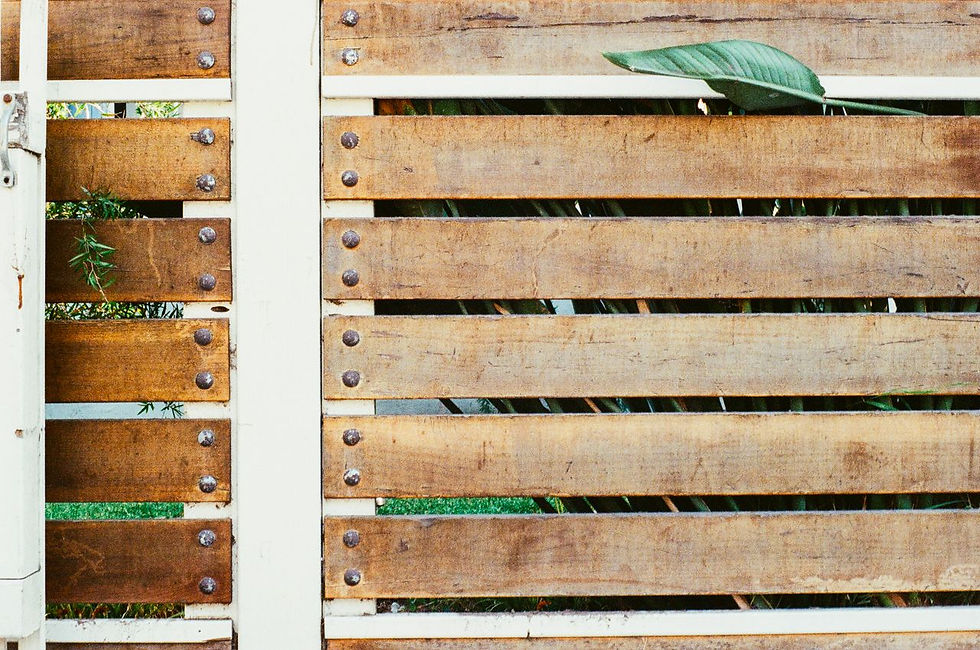
• Wood fencing might need repairs more often in winter. Boards can warp or crack when water freezes inside them, especially after a storm
• Barbed wire and woven wire remain strong, but lines need regular tension checks when snow and ice pull down on the posts
• Metal panel fences are a solid choice for high-traffic areas or large animals, since they do not sag or break as easily in cold conditions
Keeping track of the kind of fence you have helps us know what to watch out for each season. If the fence is not holding steady in January, it could mean bigger issues in spring.
H & H NW Contractors LLC specializes in installing and repairing ranch and farm fencing built for local conditions, including wood, barbed wire, woven wire, and metal panels.
What to Expect From Professional Ranch Fencing Services
Good fence repair in winter starts with knowing what is going on beneath the frost line. Ranch fencing services in January usually begin with close inspection, especially since some damage stays hidden under snow or frozen soil.
• We check for loose posts, sagging wire, or hardware that looks strained from weather
• If repair is needed, we choose materials that can withstand winter conditions, not just work short-term
• Even with frozen ground, we use tools and processes that let us safely dig, brace, or rebuild affected sections
Winter work requires more caution, but it is worth doing now. Even a small gap in a fence can turn into a big headache if an animal finds it before you do.
H & H NW Contractors LLC provides specialty projects like custom ranch entrances and gates, along with routine repairs, ensuring that every property feature is built to withstand tough Northwest winters.
Staying Ahead of Spring Chores With Early Fence Planning
January might feel quiet, but it is a great time to get ahead. Most ranches run full speed come spring, and fencing is not always top of mind once calving, planting, or other jobs begin.
• When we take care of fence issues now, it leaves us with more time for big spring jobs
• Fields are often less active in January, making it easier to move supplies or equipment in for repairs
• Managing fencing while the land is a little quieter helps avoid stress later when the whole place gets moving again
Planning early also means we are less likely to get caught off guard. A fixed and ready fence saves time when we are stretched thinner in the months ahead.
Better Borders for Every Season
Ranch fences work harder than most people realize, and winter is their biggest test. From snow-laden trees to moody weather shifts, the season piles on pressure that helps us see what needs fixing. By catching those spots early and getting ahead of the busy season, we make sure our fences are ready for whatever comes next.
January is more than just a cold, quiet month. It is a chance to reset, inspect, and strengthen the fences that help keep everything running. With the right attention early in the year, our property stays safe, and we all stay one step ahead.
At H & H NW Contractors LLC, we understand how important it is to keep your fencing maintained during the harsh winter months, with snow, wind, and frozen ground all affecting its durability into spring. That is why we inspect potential trouble spots early and use materials built to handle tough weather. Whether you have repairs in mind or want to prepare for the next season, our ranch fencing services are just right for local conditions and the needs of your property. Give us a call to discuss your project and get started.


Comments