
Summer Fence Installation Mistakes That Attract Wind Damage
- Scott B
- 1 hour ago
- 5 min read
Avoid Summer Fence Mistakes That Cost You Later
Summer feels like the perfect time to put in a new fence. The weather is warm, the ground looks dry, and the days are long. But in Post Falls and the rest of Northern Idaho and Eastern Washington, summer is also when wind-related fence failures spike. That surprise storm that rolls over the prairie or down the river valley can be tough on a new fence that was not built with local wind in mind.
Our area gets a mix of sudden gusts, dry soil that turns slick when it rains, and ground that shifts as it bakes in the sun. When a fence blows over, people often blame bad luck or a freak storm. In reality, most failures come from a few common summer installation mistakes. With the right planning and professional guidance, those problems can be avoided, and your fence can stand strong when the wind shows up.
At H & H NW Contractors LLC, we are a local, faith-based fencing and gate contractor, and we pay close attention to how fences behave in our regional weather. We design and install residential, agricultural, and commercial fences, as well as custom gates, that are built to handle the summer winds our community knows well.
Underestimating Post Falls Summer Winds
One of the biggest problems we see is people underestimating how strong the wind can be. DIYers and out-of-area crews often assume they are dealing with light breezes. Out here, open lots, farm fields, and hilltops can turn a mild day into a steady push on your fence line.
Common mistakes include:
Choosing thin posts that flex or snap
Using low-grade panels that twist or crack
Relying on undersized brackets, screws, or nails
Setting tall fences on exposed ridges without wind planning
When a fence is too tall, too solid, or laid out in a straight, uninterrupted run, it can act like a giant sail. The wind hits a large surface area, and all that pressure ends up on the posts and hardware. Corners and end posts take especially hard hits.
Professional fence installation in Post Falls and surrounding communities means we look at more than the fence style. We check exposure, terrain, and nearby structures. Then we size posts, rails, and fasteners for the real wind loads the fence will see, not just how it looks on a calm day.
Shallow Fence Posts in Dry Summer Ground
Dry summer soil can be tricky. At first glance, it seems easy to dig. The shovel moves fast, and it is tempting to save time and set posts a little shallower than you should. The problem is that loose, dusty soil does not grip posts well, especially when wind starts pushing on the top of the fence.
Shallow posts create a top-heavy fence. Tall panels on short, poorly anchored posts tend to:
Lean and rack within the first season
Wiggle at the base when the wind blows
Snap off at ground level during a strong storm
Concrete footings bring their own summer issues. Common mistakes we see include adding too much water to make concrete easier to pour, skipping a gravel base, or not allowing enough cure time before hanging panels or gates. In summer heat, bad concrete habits lead to weak footings that crack or loosen.
A local professional will adjust post depth and footing size based on:
Soil type, clay, rocky, or sandy
Fence material, wood, vinyl, chain link, or agricultural styles
Fence height and spacing
Location on the property, exposed line or sheltered run
Getting the foundation right takes more time, but it is what keeps your fence standing when the soil shifts and the wind picks up.
Solid Privacy Panels with No Wind Relief
Privacy fences are popular, especially in growing neighborhoods. Solid panels block views and noise, but if they are built as a full wall with no wind relief, they take the full hit of every gust. Long, solid runs on hilltops or at the edge of an open field are at particular risk.
Design mistakes that raise wind damage include:
Long, straight, uninterrupted privacy runs
Ignoring prevailing wind directions
Putting the tallest panels on the most exposed side
Skipping breaks, gaps, or changes in layout
When wind loads build up, something has to give. Panels can pop off, rails can crack, and posts can break at ground level. The good news is you can keep your privacy and still let the wind pass through in smart ways.
Stronger options include:
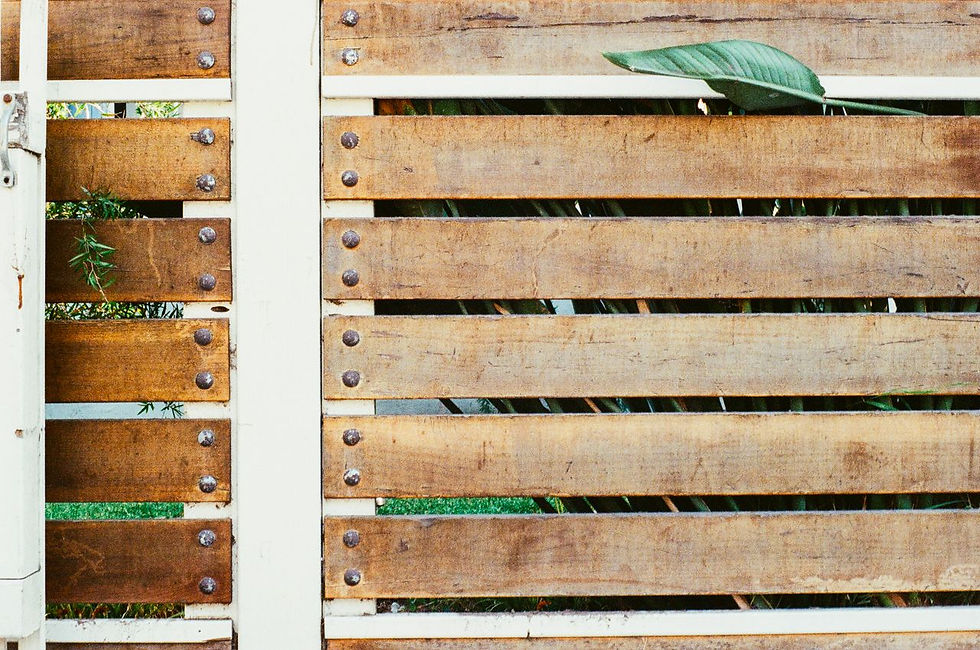
Shadowbox designs that allow some airflow between boards
Small, consistent gaps between boards where style allows
Stepped or staggered layouts on slopes instead of one tall wall
Mixing solid sections with more open types of fencing near corners or exposed ends
When we plan fence installation in Post Falls, we look at how the wind will move across the property. A few simple design changes lower the chance of blowouts while still giving you the look and privacy you want.
Ignoring Gates, Hardware, and Long-Term Movement
Gates are often the first thing to fail in summer winds. They are heavy, they move, and they hang off a small set of hardware. When that hardware is undersized or the posts are not properly supported, wind and daily use will find the weak point fast.
Common gate issues include:
Hinges that are too small or light for the gate size
Latch posts that are not braced or set deep enough
Wide driveway or pasture gates on single, unbraced posts
No diagonal bracing to keep the gate from sagging
On top of wind, our area sees seasonal ground movement and big temperature swings. Wood, steel, and vinyl expand and contract at different rates. If the installer does not allow for this, hinges and latches go out of alignment. Gates start to drag, bind, or slam harder in the wind, which wears out both the gate and the posts.
Custom gate fabrication and professional installation can solve many of these problems. A properly built gate system uses the right size posts, steel frames where needed, upgraded hinges, and thought-out clearances. This is especially important for:
Driveway entries
Agricultural or pasture gates
Commercial access points
Heavy custom or decorative gates
Planning for wind and movement from the start saves a lot of headaches later.
Plan a Wind-Ready Fence Installation This Summer
The best time to think about wind is before any posts are set. Homeowners, landowners, and business owners can benefit from a pre-summer site visit, where a local expert walks the property and looks at wind exposure, soil conditions, slopes, and layout. Good planning turns a basic fence idea into a wind-ready design.
A simple summer-ready checklist might include:
Correct post depth and footing size for your soil
Fence style that balances privacy with wind relief
Proper spacing, layout, and height for exposed areas
Gates and hardware sized and braced for real use and real wind
Materials chosen with local weather and long-term care in mind
At H & H NW Contractors LLC, we take pride in serving Northern Idaho and Washington with fence and custom gate installations that are built for our local conditions. As a faith-based, local contractor, we focus on honest guidance, careful design, and durable work that respects both your property and your peace of mind. A fence built with summer winds in mind helps protect your home, your livestock, your customers, and the value of your land when the next storm rolls through.
Get Started With Your Project Today
If you are ready to upgrade your yard with secure, long-lasting fencing, our team at H & H NW Contractors LLC is here to help from planning to final walkthrough. Learn more about our services and options for Fence installation post falls and see how we can tailor a solution to your property. When you are ready to move forward or have questions, simply contact us and we will respond promptly to discuss your project.


Comments